
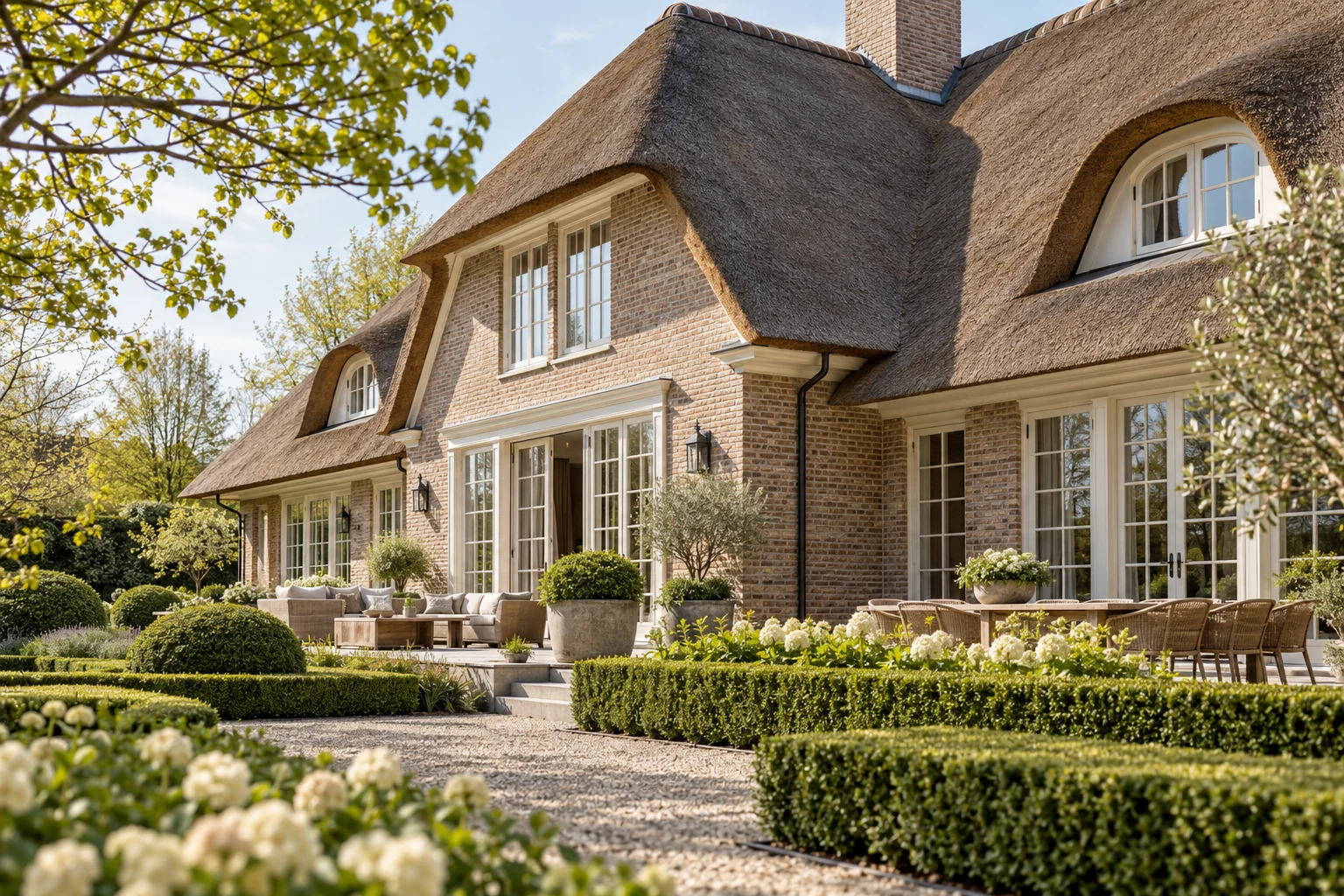
What this work involves
Investigate moisture, cracks, joints and previous treatments. Address necessary repairs first and assess product suitability.
- Substrate and moisture pattern
- Trial area and product selection
- Repairs and maintenance
Use the following design considerations when coordinating this service with a wider project. Agree which parts apply to your request.
Check how new frames meet existing internal panelling.
What the drawing needs to explain
Prepare a detail sheet for the door, frame, skirting and wall together. Identify retained elements, refinished surfaces and locations requiring bespoke work.
Allow for later maintenance
Keep colour and finishing-system records for each element. Also note which older surfaces require gentle cleaning under the applicable care instructions.
Which trade-off matters?
Making every surface perfectly uniform can remove recognisable details. Compare local repairs with full renewal and agree where small dimensional differences may deliberately remain visible.
Cost factors for this service
Costs depend on area, preparation, repairs and access. Ask for the scope and selected specification to be described separately.
Bring this to the discussion
Photographs of the existing situation, available drawings and your requirements for masonry water-repellent treatment. Identify the elements that should remain.
Questions about the work
What should I discuss before arranging masonry water-repellent treatment?
Water-repellent treatment does not replace repairs to leaking junctions or damaged masonry. The cause determines whether treatment is appropriate.
The design situations here illustrate choices; they are not completed projects or a diagnosis of your property.